
The UAE has ensured public freedom of speech while maintaining legal boundaries and peaceful expression of opinions. This freedom is often regulated by the defined laws in the UAE, which ensure that a person can express their freedom while maintaining law and order. Under UAE law, this freedom of expression maintains national security by ensuring social harmony and preventing false information. Under the UAE’s freedom of expression restrictions, if any speech has the potential to harm others or national security, tight rules are made to ensure strict punishment for the individuals. Therefore, it becomes very important to understand the defined legal boundaries while maintaining the other tasks.
Federal Decree-Law No. 34 of 2021 on Countering Rumors and Cybercrimes addresses the unlawful dissemination of rumors and false information through online platforms. Since every communication is accessible if the person is using social media, online conversations and expressions are usually monitored to ensure safety and regulations for the person using the rules and regulations. Criminal lawyers in Dubai can assess allegations involving defamation or insult and advise on the available legal options.
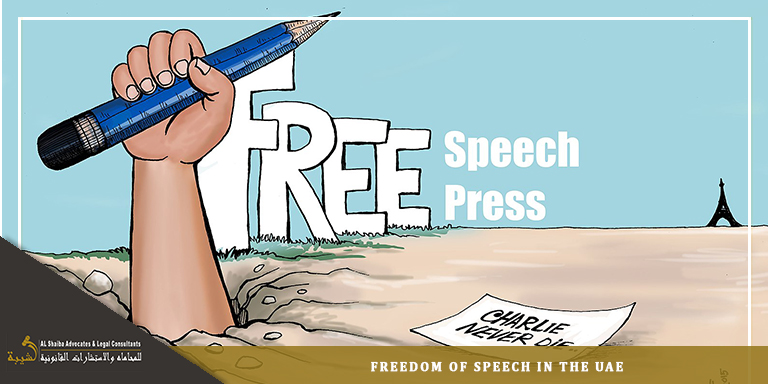
Legal Protections and Limits on Freedom of Speech
The UAE encourages people to express their opinions publicly, which should come under social media laws and other freedom of expression boundaries. Public statements and online content must comply with applicable UAE laws, including provisions protecting public order, public morals, and individual rights.
Several laws are made to regulate expression through social media laws, defamation laws, and other media laws. To understand freedom of speech, one must understand the laws and regulations. Legal advice can help individuals and businesses understand risks involving online statements and privacy.
UAE Laws Governing Freedom of Expression
Federal Decree-Law No. 34 of 2021 on Combating Rumors and Cybercrime is made to ensure the safety of individuals and organizations, and if spreading false information online, insulting individuals or institutions, violates the law, the person must be dealt with according to the law.
Federal Decree-Law No. 31 of 2021 on the Issuance of the Crimes and Penalties Law is made to ensure the safety of individuals and organizations, and if defamation, verbal insult, or false accusations violate the law, the person must be dealt with according to the law.
Federal Decree-Law No. 34 of 2023 on Combating Discrimination, Hatred and Extremism prohibits acts specified in the law involving religious contempt, discrimination, hate speech and extremism. It replaced Federal Decree-Law No. 2 of 2015. If anything happens against the law, the person must be dealt with according to the law.
Legal Restrictions on Speech and Online Content
Any social media information, campaigns, and other posts that target individuals and other organizations will be dealt with according to the said law. This law is applicable to both the residents and nonresidents of the UAE.
Obligations When Sharing Content Online
The use of social media comes with great responsibilities, whether it is used for personal gain or for professional gain, and anything that violates the law will not be tolerated by the government.
Defamation and Reputational Harm in the UAE
Defamation occurs if any false information is circulated about the organization or its individuals. The government has made strict rules to counter such issues. Once the case is filed, the court decides whether the person or organization has committed defamation against the person or not, and it is then dealt with according to the law.
How Courts Assess Defamation Claims?
If a case involves any civil liability or violates any law, it must be presented in front of the court to examine the case thoroughly.
Hate speech
To protect cultural and community harmony, laws strongly prohibit the use of any racist or hateful remarks about other communities, and if any person is found using hateful language or actions, the laws are made to stop them and punish them accordingly.
Peace and harmony
The reputation protection law in the UAE encourages people and individuals to promote religious and cultural harmony and avoid hateful remarks about specific communities and cultures.
UAE Rules for Media and Online Communications
Digital content regulations in the UAE restrict social media influencers and other journalists to make sure the content they are publishing must pass the basic requirements of the law.
False information and rumors must be avoided by the person to make sure they are not met with any legal consequences. To avoid such situations, legal advisors must hire someone who can look after the legal side of the cases.
Journalism and Responsible Reporting in the UAE
It is the responsibility of journalists to verify the news before it is broken to the internet or TV. Compliance with UAE journalism standards protects individuals, institutions, and society from misinformation and reputational harm.
Reporting Content That Violates UAE Law
Cybercrime legal services in Dubai, UAE, are available to monitor and regulate the news and the content shared on social media. If any news violates the laws of the UAE, it is advised to be reported immediately.
Investigating and Addressing Content Violations
To enforce the law, the news is verified and checked to see if it violates the law, and then laws are enforced to make sure the violation is not repeated.
Awareness and legal consequences
Awareness of the law and its violation is mandatory for both the residents and non-residents of the UAE. People doing business may get harmed because of false information, and every piece of information that is shared must comply with the rules and regulations of the defined laws. In such cases, lawyers can play an essential role in spreading awareness about the legal consequences of sharing false news. Lawyers can also prevent major outcomes if the laws are fully followed.
Understanding Your Legal Responsibilities Before Posting
A legal opinion must be obtained from authentic sources before publishing sensitive content or allegations about others. This will make sure that the person is fully protected by the courts and the laws if the laws are applied to them in any case.
Respecting Legal Boundaries When Sharing Content
Legislation that protects the freedom of speech in the UAE shows the commitment of the UAE towards public safety and reputation safety. If any person falls victim to false information, the government fully backs them. Freedom of expression is subject to applicable UAE laws, including restrictions concerning defamation, privacy, hate speech, public order, and national security. This can only happen if the person fully understands the legal boundaries of the country. This can only be ensured if the laws are fully understood by consulting with legal advisors.
The UAE government has made rules and regulations to make sure that freedom of speech is well-protected in the country. This law is applicable to both the residents and the nonresidents of the country. Any false information or news that has the potential to harm individuals or organizations will be dealt with under strict laws. Media houses and other social media influencers can hire legal advisors to fully understand the limitations of freedom of speech. The legal consequences of the violation may fall under strict punishment.
FAQs
1. Is there any law that protects freedom of speech?
Yes, there is a law that protects freedom of speech to ensure cultural and religious integrity and harmony.
2. How can a person violate this law?
By spreading false information and hate speech, a person can violate this law.
3. Do any rules regulate social media posts?
Yes, there are rules that regulate social media posts, which are also enforced by the cybercrime wing.
4. Is there any punishment for violations?
Yes, criminal charges may apply to the violators.
5. Is there any separate law for social media influencers and content writers?
The same law is applied to both influencers and content writers, and any violation may lead to serious consequences.
Disclaimer: This blog is provided for general legal information only. Laws and regulations may change over time, and the content may not always reflect the latest legal developments. While reasonable care is taken to ensure accuracy, errors or omissions may occur. No liability is accepted for any loss or consequence arising from reliance on this content. For advice relating to your specific circumstances, legal rights, or proceedings, we recommend consulting our legal professionals before taking any action.