
The United Arab Emirates (UAE) real estate and infrastructure are globally well known, and the UAE is famous for luxurious housing facilities, all of which are equipped with amenities to give individuals an extreme comfort and quality lifestyle and are well-maintained.
UAE’s population is increasing day by day, and it has become more challenging to maintain the housing standards. Dubai’s new shared housing law helps with safety measures, protects the rights of tenants, ensures excellent property management, and maintains property standards. The new housing law is also responsible for ensuring that the property is not overcrowded and that the house is in good physical condition. Rest, details are also available on government portals and professional lawyers can also help while understanding the laws and rules.
Dubai New Housing Law Details
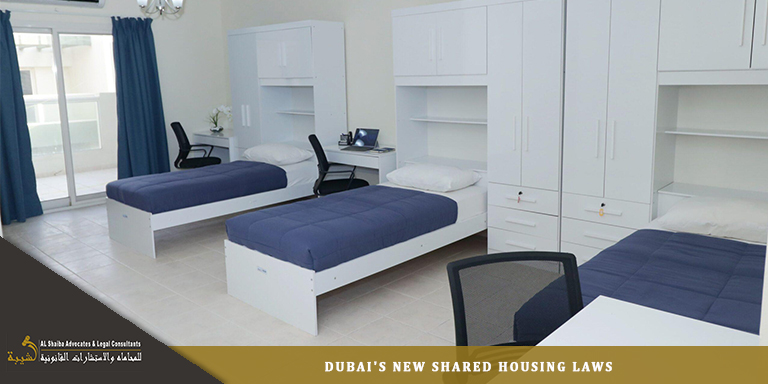
Since last year, the number of individuals in Dubai has increased. The increasing population is affecting the real estate market of the UAE, and rent amounts are also being affected. For economic options, people are looking for housing societies in Dubai and prefer to live in shared accommodation, mostly students and people from the working class. The housing authorities observed that the shared properties lack safety standards.
Therefore, Emirate of Dubai has introduced a new law to regulate shared housing in the emirate. Federal law Issued as federal law No. (4) of 2026 by His Highness Sheikh Mohammed bin Rashid Al Maktoum, the law explains how shared housing units can be leased, who can use them, what standards they must follow, and which authorities will monitor the sector. It helps to ensure safety, occupancy limits, permits, and rental practices, while also helping to protect from overfull and informal housing. As we said before, that professional lawyers, always guide better about UAE laws.
Under the UAE’s new law, only the owner or an authorized establishment can lease or operate a shared housing unit, while tenants and other parties are not allowed to sublease any part of it. It also requires all units to meet building, health, fire, sanitation, security, and electrical standards, while setting out clear responsibilities for landlords and tenants.
UAE Government Authorities: Proactive Steps
UAE government authorities also revised the safety needs of occupants. They have reviewed the housing laws. Dubai Municipality is responsible for monitoring the safety standards of buildings. This includes having a check of rules for maximum occupancy, the amount of space required per resident, and the shared facilities that are provided within a unit.
Legal Obligations in Dubai for Property Owners and Occupants
Landlords are responsible for the number of people living in a residential area. Overfull violates municipal housing rules. Landlords also need to monitor if tenants keep the place clean and less crowded during the tenancy contract.
Tenants in Dubai
The occupancy standards are explained in the new Dubai housing laws. If the tenants are sharing the accommodation, only a limited number of individuals will be allowed to live in that property. The resident must have a sufficient space to live in. Overcrowding of occupants may lead to sanitation issues, which affect health and are a major cause of hygiene problems. People who do not follow the housing rules will face a financial penalty and be asked to leave the property immediately.
Role of Property Managers
Property managers are responsible for monitoring the tenancy laws and compliance, and help in maintaining Housing Standards. Along with this, the authorities also supervise the maintenance standards, occupancy level, and safety requirements of the building. Since the property managers work on daily operations, they should also ensure the housing regulations as per the tenancy law. Having said that, if any of them find an overcrowded accommodation, they must report to the housing authorities.
Why Regular Inspection is Essential in Dubai?
Routine inspections are very important to ensure housing laws are properly being followed. To monitor housing laws, the property managers will also supervise the shared accommodation to ensure safe living conditions for the occupants.
Housing Laws Violations
The housing laws are imposed to provide safe accommodation for the tenants. Individuals who are observed violating the housing laws may face serious consequences. They may have to pay a heavy financial penalty as well as be ordered to vacate the property without a notice period. Therefore, the property managers have to stay alert and active. Any violation of the property shall be reported to take corrective measures.
Dubai Municipality Housing Laws Implementation
The Dubai Municipality ensures the implementation of the housing standards. They figure out the problems that are mentioned to them by the neighbors, property managers, and authorities of the communities. It helps them build better housing standards in the future. In response to those complaints, authorities would issue warnings, fines, and eviction orders in the worst-case scenario.
Dubai’s New Shared Housing Law Rental Market Affects
The new housing law in Dubai has affected the landlords and the tenants in the rental market. It encourages the safety standards with less crowded properties, which has also given reason to trust the housing system. Along with that, now landlords also have clear guidelines about making the space safe and clean with fewer occupants.
How Does Co-Living Look in Dubai?
Dubai real estate developers are having a very innovative and problem-solving approach, so it can be predicted that the future of housing societies may have changed in Dubai. There are more chances that real estate can introduce more economic options. And the other prediction is that the shared accommodation will remain a popular technique to live within an economical cost. However, revised housing laws have maintained safety standards with organized efforts of the residential communities.
Maintaining Housing Policies in Dubai
Tenants and landlords are responsible for maintaining the housing policies as regulated by the Dubai Municipality authorities. They should remain updated with the housing laws to ensure that both are exercising their rights as tenants and the property owner. However, the landlord must make the lease agreements transparent. On the other hand, the tenants should ensure that the property complies with the new housing laws introduced by the UAE government.
Knowing the Housing Laws of Dubai
It is important that the UAE citizens and residents know about the new housing laws in Dubai. Professional lawyers can help regards to this subject including Shared Accommodation Rules in Dubai. People should also have awareness about their legal rights as tenants and property owners. The landlords should maintain the property standards, ensuring safety for the tenants. Before signing a contract, the landlord must talk to the tenants openly about the limit of occupancy, rental payments, and rules of the building because a community space has rules to live by.
FAQs
How is the new Dubai’s shared housing law is different from previous laws?
Dubai’s new shared housing law has emphasized occupancy limits in the accommodation to ensure safe living standards for the tenants.
Which authority is responsible for enforcing shared housing regulations in Dubai?
Dubai Municipality is responsible for enforcing the new housing laws in the communities. RERA also monitors the laws for tenancy.
Are tenants allowed to make a complaint regarding the overcrowded housing?
The tenants can make complaints to the Dubai Municipality and seek advice from the authorities.
Is sharing accommodation allowed in Dubai?
There is nothing wrong with the shared accommodation in Dubai. The accommodation rules must follow sharing laws including law no. 4 of 2026.